


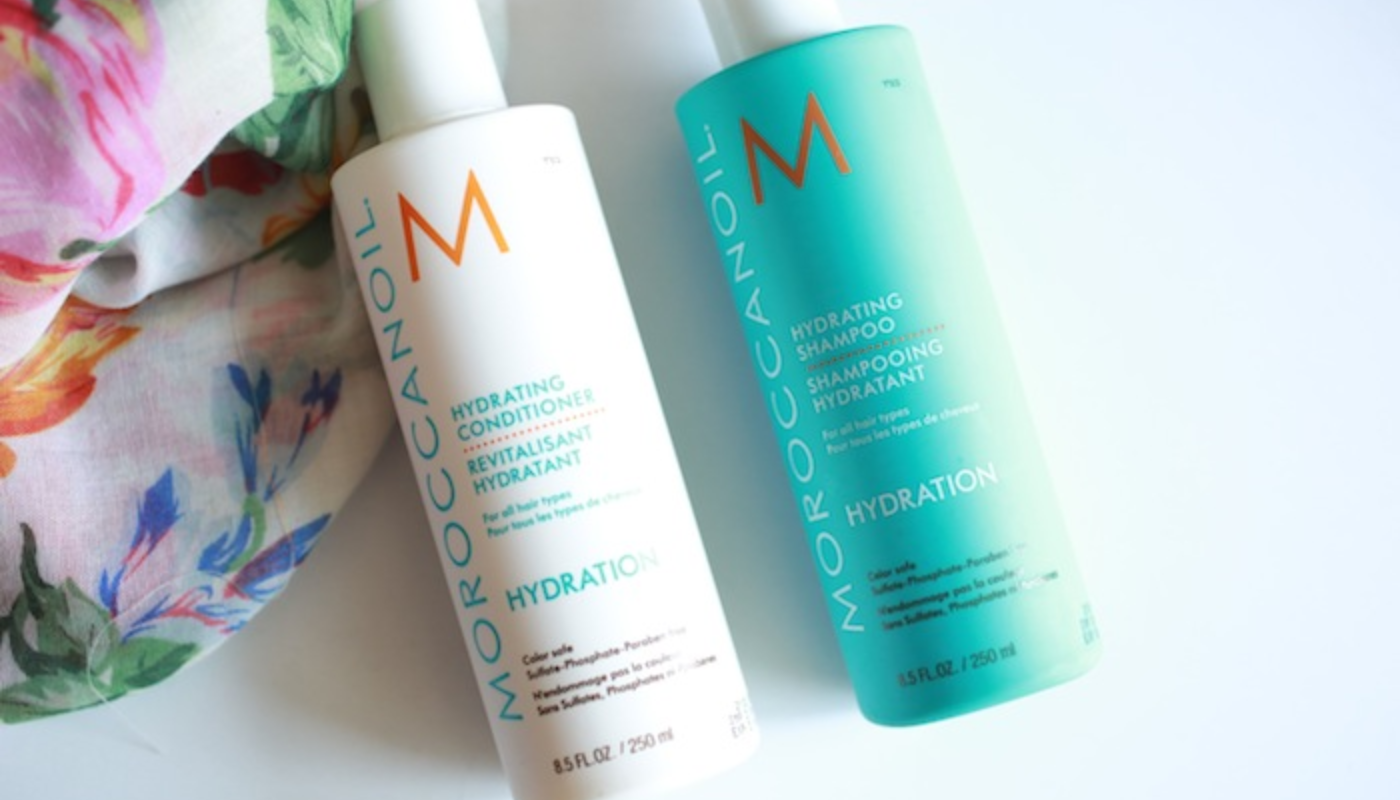
Moroccan oil shampoo and conditioner, Naturalness has made a reappearance in our everyday lives in recent years, much to the joy of our skin and hair, but also, and most importantly, the environment. The more we exchange harmful chemicals for the benefit of skincare and make-up products with a far healthier composition, the more we work – often without even realising it – for our overall well-being… And it feels great!
It’s now time for us to teach you about veggie Moroccan oil! Is your hair dry, dull, or brittle? Discover how this miraculous oil may become your greatest hair care ally.
You’ve probably seen that the large companies have taken over Moroccan oil to put it in the list of ingredients included in their shampoos for quite some time now, and this is clearly no accident. But have you ever thought what the outcomes would be if we removed all of the unnecessary components and used just the fundamentals by applying Moroccan oil straight to the hair?
Vegetable Moroccan oil, what is it?
Moroccan oil shampoo and conditioner, Moroccan oil which comes from the opposite side of the Mediterranean, is also known as Moroccan oil. It is derived straight from the kernels of tree kernels that only grow in Morocco, namely the argan tree. Organic Moroccan oil, sometimes known as “liquid gold” because to its incredible advantages, is a true treasure rich in fatty acids, vitamin E, vitamin A, antioxidants… You would have seen that the list is lengthy and contains several components, each of which is more valuable than the others.
Caution: To ensure that the Moroccan oil you are going to purchase is of the highest quality, ensure that it is vegetarian, cold pressed, unrefined, undeodorized, and kept in a tinted glass container. Also, a good organic Moroccan oil should have a faint aroma of hazelnuts and toasted sesame, but ask yourself whether you find it too strong. This is an important qualifier since it is not unusual to come across frauds on the market for this highly coveted oil.
Finally, although Moroccan oil is not the cheapest of all oils, a few drops are frequently sufficient for thorough treatment.
What are the benefits of vegetable Moroccan oil for your hair?
Moroccan oil shampoo and conditioner, Moroccan oil nourishes and regenerates hair fibres. It will protect your hair from external aggressors (such as UV radiation from the sun) and nourish it with its various hydrating characteristics. Give them strength, softness, volume, and lustre – and this is the promise that organic Moroccan oil promises you, from the scalp to the ends. Moroccan oil’s effect is most comprehensive, limiting the appearance and development of split ends, delaying hair loss, and boosting blood microcirculation in the scalp.
And if you have coloured hair, don’t worry: using this wonderful oil will not change the colour of your hair; instead, it will rejuvenate it and help you to preserve its shine for longer.
How to use vegetable Moroccan oil on your hair?
Moroccan oil shampoo and conditioner, There are a thousand and one ways to apply organic Moroccan oil on your hair; all you have to do is select which approach would best suit your requirements and preferences, or mix them.
Organic Moroccan oil as a mask :
To treat your hair thoroughly, use organic Moroccan oil in the form of a mask to your whole head (scalp and ends included) once or twice a week at first. As you may with any other oil bath (coconut, castor, olive…): Proceed strand by strand to ensure that no hair is overlooked, massage your scalp, then cover everything in a heated towel and keep your Moroccan oil mask on for at least 30 minutes, if not all night. The following morning, wash your hair as normal (but twice) and you will notice the wonderful care that is veggie Moroccan oil.
Organic Moroccan oil in conditioner:
This oil is a fantastic conditioner, making hair more manageable and smooth. Take care not to overdo the amount, or you may wind up with a greasy residue on your lengths when you have just gotten out of the shower. Your organic Moroccan oil treatment will be readily absorbed by your hair if used sparingly – only a few drops. 2/3 drop oil between your palms, then gently comb your towel-dried hair with your fingers. They will be as silky smooth as you could dream for once dried.
Organic Moroccan oil as a styling product:
Excellent news! Moroccan oil and its smells may also be used into your regular skincare and cosmetics regimen. You may not realise it, but this all-natural substance is also recognised for its ability to tame and smooth wild hair. In case of stubborn frizz, never wander too far from your tiny bottle of vegetable Moroccan oil and unsheath it at any time of day. Goodbye hairspray, gel, and other drying chemicals; with only a few drops, your hair will be disciplined, nourished, and protected all day.
Is it possible to use vegetable Moroccan oil on other parts of the body?
Of course, the answer is yes! Besides, don’t you think it would be a shame to deny yourself of it? So make sure your hair isn’t the only thing benefiting from this exquisite Moroccan oil.
Moroccan oil will have the art and the method to enlarge your skin as a face and body care, owing to its high concentration of vitamin E and softening characteristics. It also works well as an anti-aging therapy due to the antioxidants it contains. When applied to the face on a daily basis, vegetable Moroccan oil significantly improves skin suppleness.
Moroccan oil is also quite beneficial for acne: it helps the skin achieve its natural balance, moisturises it, calms it, and repairs damaged skin cells. Moroccan oil is also perfect for caring for other regions of your body such as your hands, feet, and nails, since it nourishes and softens even the driest skin and tones your nails as much as a varnish hardener!
And why not use it as a lip balm as well? In any event, know that organic Moroccan oil contains all the healing benefits you need.
Useful for everything and everywhere – whether your demands, age, skin condition, or hair type – don’t wait another second to put this Moroccan oil at the core of your beauty routine.
