


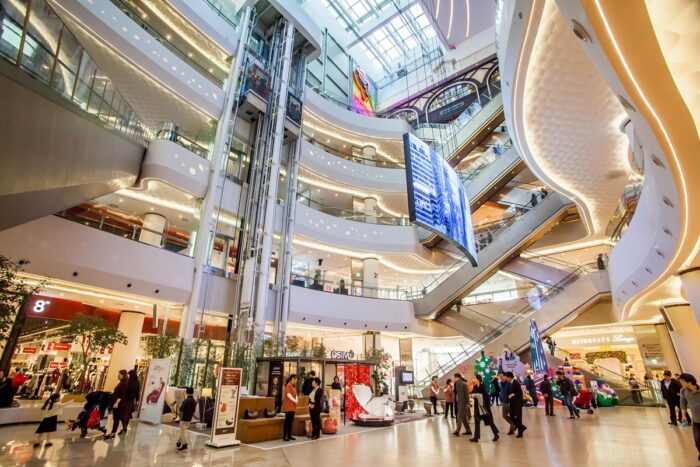
South Korea’s retail industry has experienced steady expansion thanks to a robust economy and consumers prioritizing quality and innovation. Competition among domestic and international companies for market share can be fierce; here, we look closely at some of South Korea’s premier retailers and their contributions to this dynamic industry.
Lotte Shopping is one of South Korea’s leading retail companies, operating across various segments. Their flagship Lotte Department Store is a trendy shopping spot featuring high-end fashion, beauty products and home goods; furthermore, Lotte operates hypermarkets, discount stores and convenience stores such as Lotte Mart and 7-Eleven stores under various brands.
Shinsegae, another major conglomerate, stands out in the industry with its department stores known for luxury offerings and exclusive collaborations with international brands. At the same time, they also operate discount stores under their E-mart brand, known for offering low prices and vast product offerings.
Homeplus, owned by Tesco and located throughout South Korea, has quickly become a favourite among shoppers. Homeplus offers customers a wide variety of products at competitive prices while recently adding innovative features like mobile self-checkout and grocery delivery services.
Hyundai Department Store has made an impressionable mark in South Korean retail with its high-end department store that showcases exclusive designer collections and an expansive selection of beauty products and home goods. Furthermore, Hmall provides online retail solutions.
GS Retail stands out in the convenience store market with over 14,000 locations throughout South Korea under their CU brand, known for offering various products at convenient locations while expanding into new markets such as China and Vietnam.
Overall, South Korea’s top retail companies have played a vital role in driving growth and innovation within their industry. By emphasizing quality, innovation, and customer satisfaction, they have established themselves as market leaders and set new standards of retail excellence.
Here are some of the leading retail companies in South Korea:
6. GS Retail
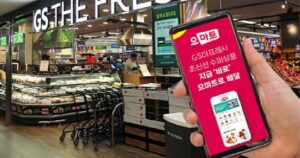
- GS Retail is a retail company in South Korea specializing in convenience stores, supermarkets and other retail outlets. It was established as part of GS Group – a vast South Korean conglomerate – in 1971.
- Revenue -GS Retail stands out in South Korean retailing in terms of revenue, with reported revenues of approximately $8.5B.
- Convenience Stores – One of GS Retail’s key attributes is its expansive network of convenience stores (CUs). As of 2021, there were over 14,000 CUs across South Korea, making GS Retail one of the country’s leading CU chains offering snacks, beverages and other convenience items, groceries, and household essentials.
- Supermarkets – GS Retail operates several supermarkets and other retail outlets under various brands, such as GS Supermarket, GS25 and Health & Beauty. These stores provide an assortment of fresh produce, meats and seafood, household goods, and personal care items.
- Expansion – Over the past several years, GS Retail has expanded into new markets such as China and Vietnam, opening stores under their CU brand in these nations with plans for further growth in these areas.
- Sustainability – GS Retail is dedicated to environmental and social responsibility. Through various initiatives such as installing LED lighting and eco-friendly packaging, it has reduced its ecological footprint significantly while supporting multiple social causes, including education and disaster relief efforts.
Overall, GS Retail is an influential player in the South Korean retail market with its emphasis on convenience stores and commitment to sustainability and social responsibility. Through an expansive network of stores offering diverse product offerings and trusty service provision, they have established themselves as an iconic and beloved brand among South K Korean consumers.
5. Hyundai Department Store
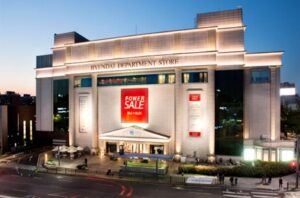
- Hyundai Department Store, founded in 1971 as part of Hyundai Group (a large conglomerate in South Korea), is one of the country’s leading retail companies and operates department stores, outlet stores, and duty-free shops.
- Revenue- Hyundai Department Store is an essential player in the South Korean retail market and reported revenue of approximately $3.9B in 2012.
- Hyundai Department Store stands out with its high-end department stores across South Korea, boasting 15 offering luxury and premium brands such as fashion, cosmetics, home furnishings and more.
- Hyundai Department Store also operates outlets known as Hyundai Outlets, offering discounted luxury and premium brands like fashion, accessories and home goods.
- Hyundai Duty-Free Shops: Additionally, the company operates duty-free shops under its name Hyundai Duty-Free, located in airports and major tourist spots and offering tax-free goods, including cosmetics, fashion, electronics and more.
- Hyundai Department Store has invested in technology and innovation to enhance customer experiences. They have implemented AR/VR technologies into their stores so customers can virtually try on makeup and clothing before visiting stores.
- Hyundai Department Store is committed to sustainability and social responsibility. Through various initiatives aimed at minimizing its environmental footprint – such as installing eco-friendly lighting fixtures and cutting down plastic waste production – Hyundai Department Store has reduced its environmental impact significantly while supporting various social causes, such as education and environmental conservation.
Hyundai Department Store is a premier retail chain in South Korea, known for its high-end department stores, outlet stores and duty-free shops. Their commitment to sustainability and social responsibility has helped build their strong consumer following.
4. Homeplus
- Homeplus is a retail company in South Korea specializing in operating hypermarkets, supermarkets and online shopping platforms. It was established in 1997 as a subsidiary of Tesco’s multinational retailer headquartered in the UK.
- Homeplus is an established leader in the South Korean retail market. Last year alone, they generated revenues of approximately 2.4 Trillion Won.
- Hypermarkets- One of the hallmarks of Homeplus is its network of hypermarkets. As of 2021, over 140 Homeplus hypermarkets could be found throughout South Korea, offering products such as groceries, home goods, electronics and clothing, and restaurants and services.
- Homeplus also operates several smaller supermarkets under the names “Express” and “Every Day”, offering basic groceries and household essentials with limited selections of products.
- Homeplus operates an online shopping platform where customers can purchase products and deliver them right to their homes. In addition, various digital services, including a mobile app and QR code scanning services, are also provided to improve customers’ online shopping experiences.
- Homeplus has invested in new technology and innovation to enhance customer experiences, including self-checkout machines, RFID technology, and robotic shopping carts.
- Homeplus is committed to environmental sustainability and social responsibility, taking various initiatives to minimize its ecological footprint, such as reducing plastic usage and offering eco-friendly products. In addition, they support different social causes, including education and disaster relief efforts.
Overall, Homeplus is one of the premier retail companies in South Korea, with stores in hypermarkets, supermarkets, and online shopping platforms. Their commitment to innovation, sustainability, and social responsibility has earned them an excellent standing with consumers.
3. E-mart

- Introduction – E-mart is a retail chain in South Korea operating discount stores, supermarkets and online shopping platforms. It was established in 1993 as part of Shinsegae Group – one of South Korea’s largest conglomerate companies.
- E-Mart is an industry giant in the South Korean retail market and, in 2020, reported revenue of approximately 15.49 trillion South Korean Won.
- E-mart stands out among South Korean retailers thanks to its network of discount stores, with 160 across South Korea offering products such as groceries, homewares, electronics and clothing at discounted prices.
- Discount Stores – One key feature of E-mart is its network of discount stores; in 2021 alone, 161 E-mart locations provided products, including groceries, home goods, and electronics clothing, at deeply discounted prices.
- E-mart also operates supermarkets called Traders that provide an enhanced shopping experience with premium products and services.
- E-mart provides customers with an online shopping platform to purchase products and have them delivered right to their homes. In addition, digital services such as a mobile app and personal shopping service have been introduced by E-mart to enhance the online shopping experience for its customers.
- Innovation – E-mart has invested in new technology and innovations to enhance customer experiences, such as smart shopping carts and virtual reality (VR) technology.
- E-mart is committed to sustainability and social responsibility, taking steps such as reducing plastic waste and offering eco-friendly products in its storefronts. Furthermore, E-mart supports numerous causes related to education and community development through various initiatives implemented within its business operations.
E-mart is one of South Korea’s major retail companies, known for its discount stores, supermarkets and online shopping platforms. Their investments in technology and commitments to sustainability and social responsibility have helped earn them an excellent reputation among their consumers.
2. Shinsegae

- Shinsegae is a large retail conglomerate in South Korea operating department stores, discount stores, supermarkets and other retail businesses. Established in 1930 and growing ever since into one of South Korea’s leading retail companies.
- Shinsegae is one of the largest retail chains in South Korea. In 2020, they reported an estimated revenue of $6.02 B.
- Department Stores – Shinsegae stands out with its network of department stores. Operating three distinct department store brands such as Shinsegae, Emart24 and Starfield, these stores provide luxury products, including fashion, beauty, electronics and home goods, for their customers.
- Discount Stores – Shinsegae operates discount stores named “E-mart”, offering products like groceries, electronics and home goods at discounted prices.
- Supermarkets – Shinsegae operates supermarkets under “Traders,” providing an enhanced shopping experience focused on top-quality products and services.
- Online Shopping – Shinsegae operates multiple online shopping platforms such as SSG.com and E-mart Mall for customers to purchase products online and have them delivered right to their homes.
- Shinsegae has invested heavily in new technology and innovation to enhance customer experiences, such as intelligent shopping carts, augmented reality (AR), and virtual reality (VR) technology in its stores.
- Shinsegae is committed to sustainability and social responsibility, undertaking various initiatives to reduce its environmental footprint, such as reducing plastic waste production and offering eco-friendly products. Furthermore, they support different social causes, including education and community development projects.
Overall, Shinsegae is one of South Korea’s premier retail companies, specializing in department stores, discount stores, supermarkets, online shopping platforms and technology investment. Their commitment to sustainability and social responsibility has helped build a great brand name with consumers.
1. Lotte Shopping

- Lotte Shopping was founded in 1970 and is one of the leading retail companies in South Korea. Since its formation, operating department stores, discount stores, supermarkets and other retail businesses, Lotte has grown into one of South Korea’s premier retail businesses.
- Revenue – Lotte Shopping is an industry leader in the South Korean retail market and reported an impressive revenue figure of approximately 4.01 trillion won in 2020.
- Department Stores – Lotte Shopping’s network of department stores is one of its hallmark features, operating three distinct department store brands (Lotte Department Store, Lotte Mart and Lotte Premium Outlets) offering luxury and high-end goods such as fashion, beauty, electronics and home goods.
- Discount Stores – Lotte Shopping also operates discount stores known as “Lotte Mart”, offering discounted groceries, electronics and home goods.
- Supermarkets – Lotte Shopping offers high-end supermarkets named “Lotte Mart”, featuring more premium shopping experiences emphasizing high-quality products and services.
- Online Shopping – Lotte Shopping offers various online shopping platforms, such as Lotte On and Lotte Mart Online, enabling customers to buy products directly online and deliver them right to their homes.
- Innovation – Lotte Shopping has invested heavily in new technology and innovation to enhance customer experiences, such as intelligent shopping carts, self-checkout systems and augmented reality (AR) technology in its stores.
- Sustainability – Lotte Shopping is committed to sustainability and social responsibility, taking various initiatives to minimize its environmental impact, such as cutting plastic waste by 71% and offering eco-friendly products. Furthermore, Lotte Shopping supports multiple charitable causes, including education and community development initiatives.
Lotte Shopping is a major retailer in South Korea, operating department stores, discount stores, supermarkets and online shopping platforms. Their dedication to technological advancement, sustainability
